
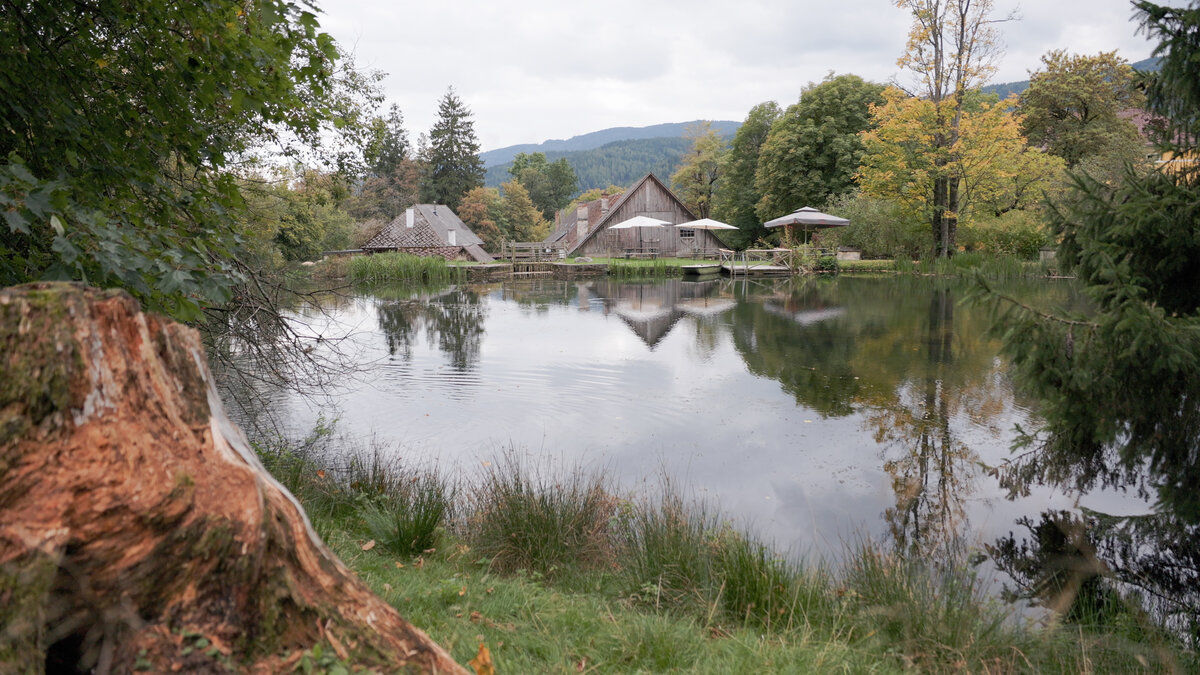
Lichtengraben Castle
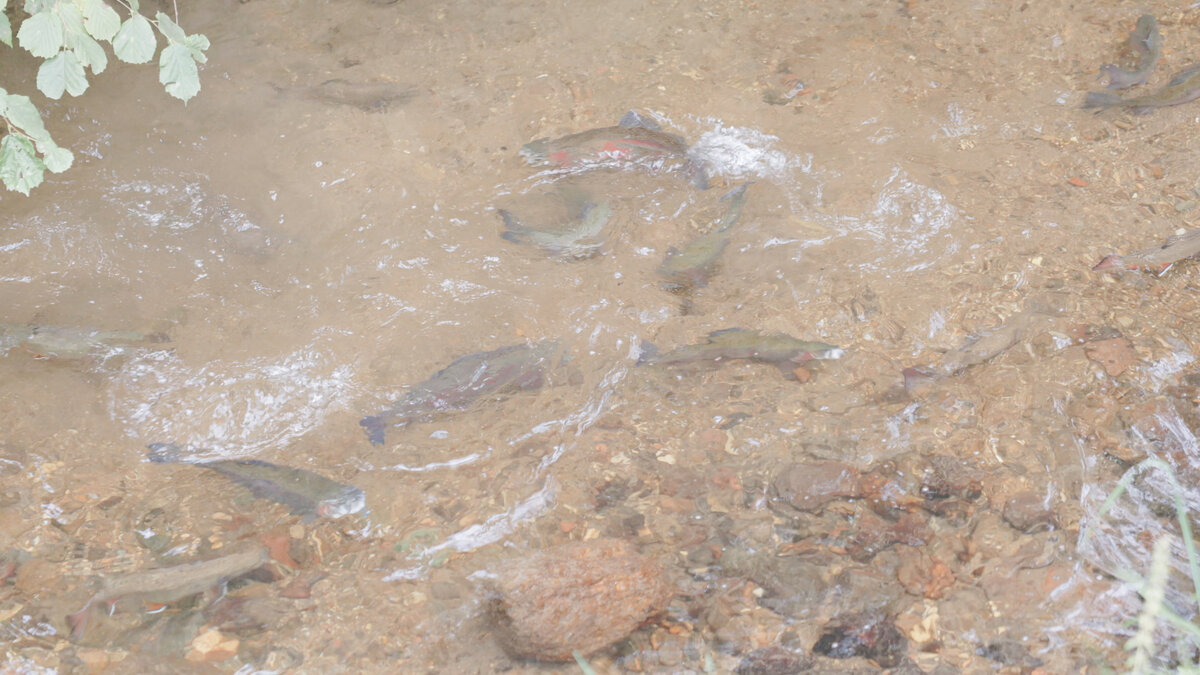
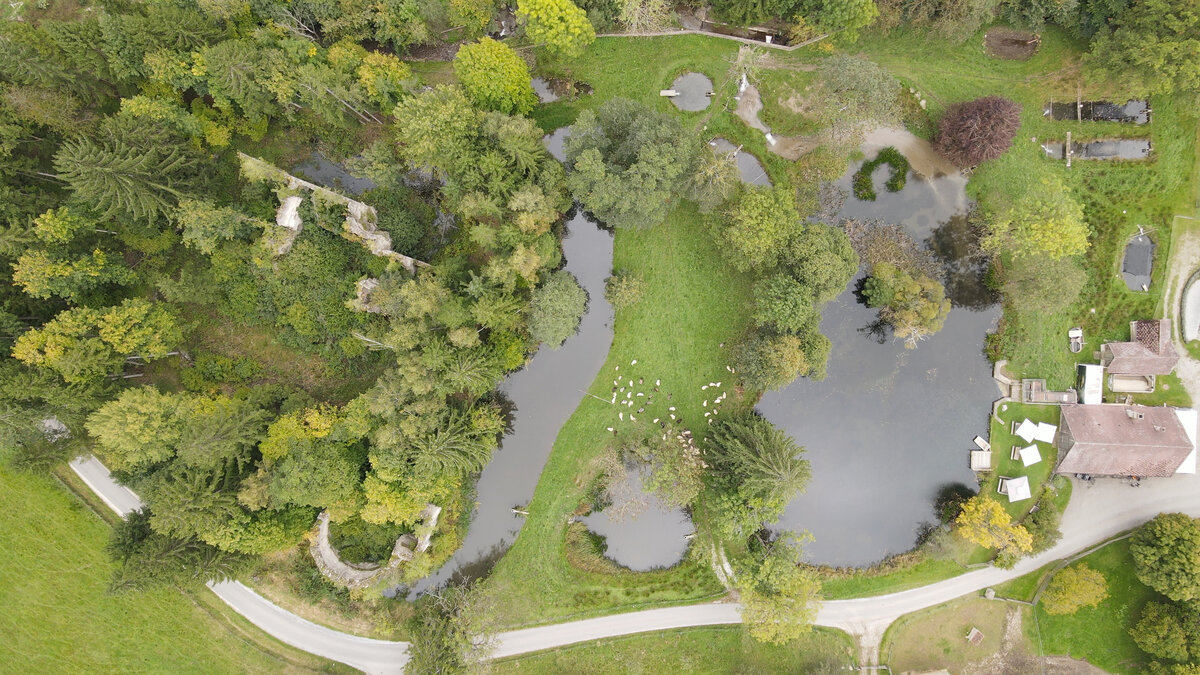
Brilliant sunlight floods one of the many fish ponds. Julius Rittler stands on the bank, observing the bustling activity in the water with an expert eye. Fish farming has been a defining feature of the Schloss Lichtengraben estate—situated between Bad St. Leonhard and Reichenfels—for generations. His great-great-grandfather was already engaged in hatching brown trout; old facilities and specialist literature dating back to the early 20th century still bear witness to this history. Today, the ponds of the sprawling complex teem with char, rainbow trout, brown trout, and lake trout.
One of the ponds is well over 600 years old. It once served the Lords of Pain as a defensive moat, protecting Painburg Castle from unwanted intruders. Painburg was one of the few moated castles in Carinthia to feature a double moat.
In the Cycle of Blue Gold
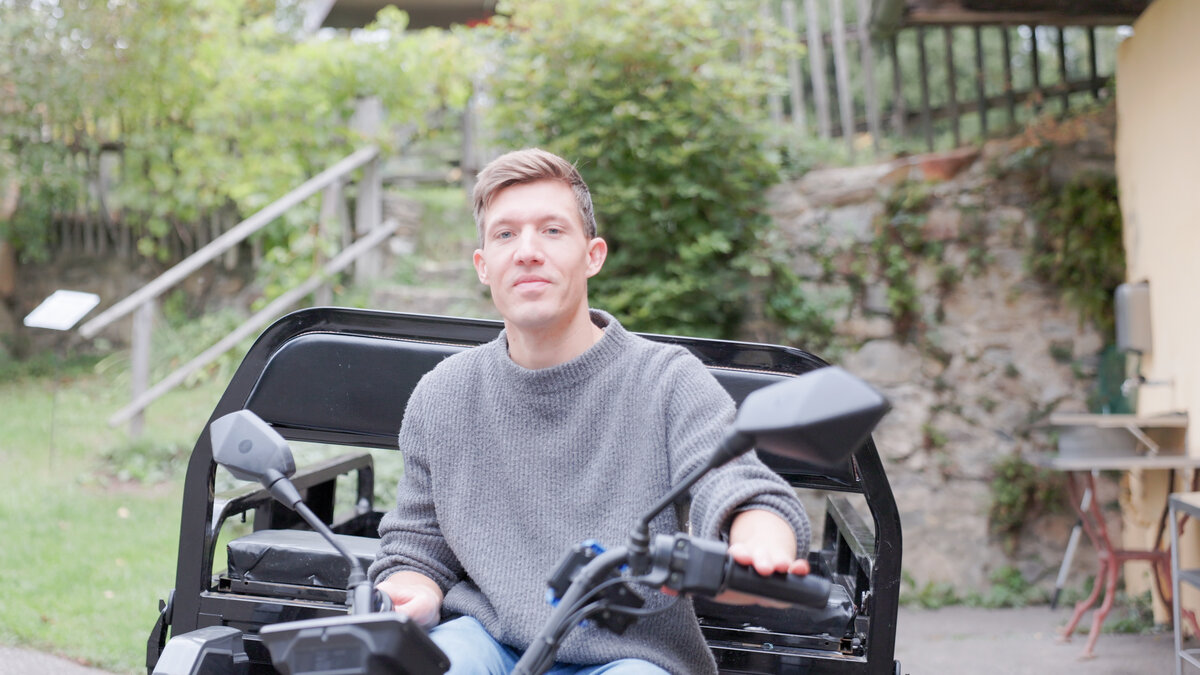
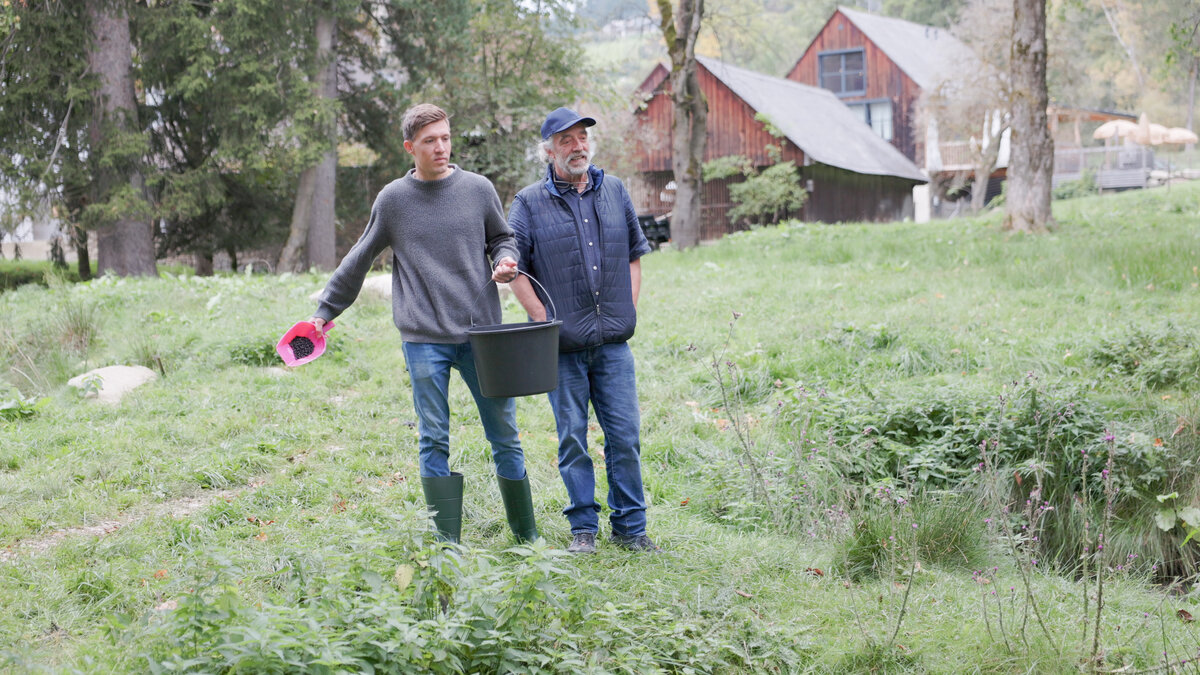
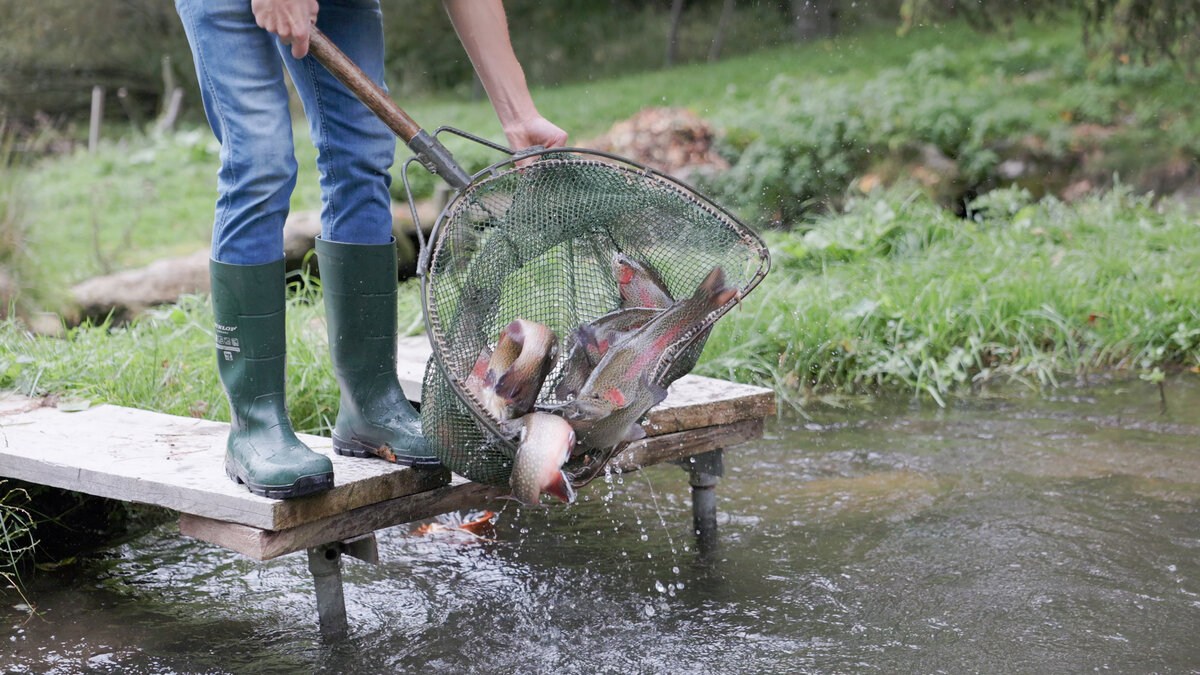
“We raise and process everything ourselves,” says Julius proudly. Together with his father, Andreas, he tends to this special legacy on the historic estate. To understand the cycle of the “blue gold” and the fish living within it, guests are—quite literally—thrown in at the deep end. In the process, they learn, for instance, that a fish takes at least two and a half years to go from farm to plate. This transparent, sustainable journey from source to finished product is known as “farm-to-table.” Guests can try their hand at fishing or get involved in making special delicacies like fish chips. Those who want to learn the ins and outs can sign up for a workshop.
Catching your own dinner, hovering in a fishing net just above the water’s surface, relaxing, and dreaming—amidst this hidden gem, the soul, too, can take a break from everyday life.
Slow Food to go
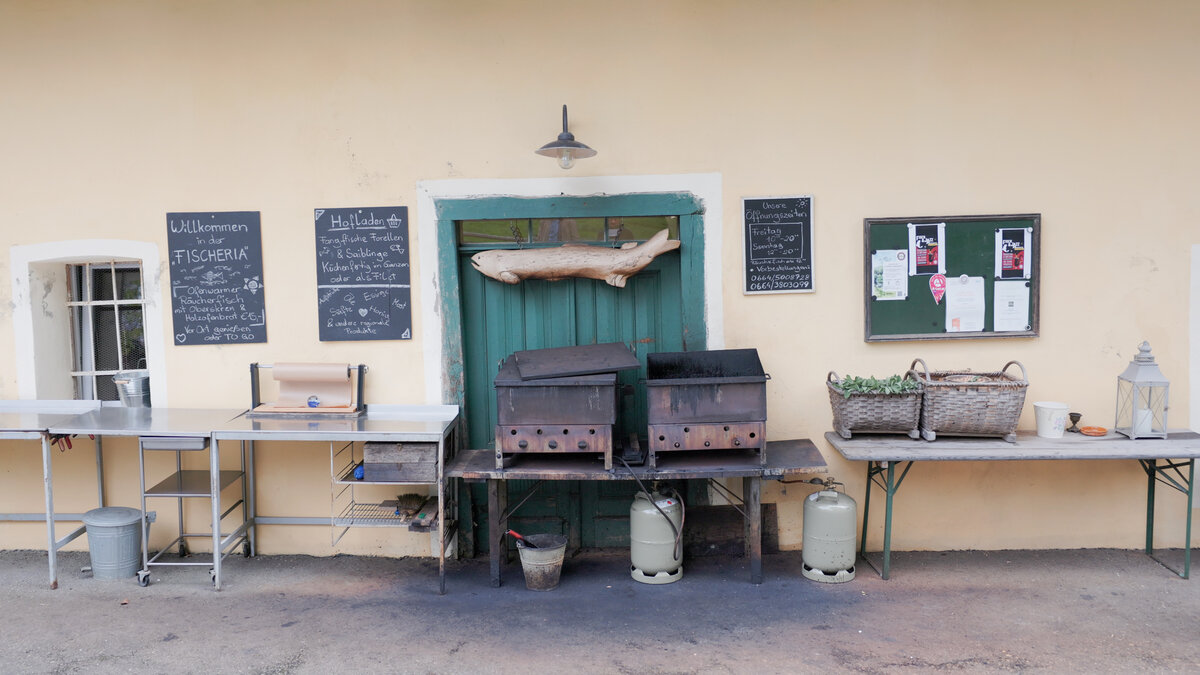
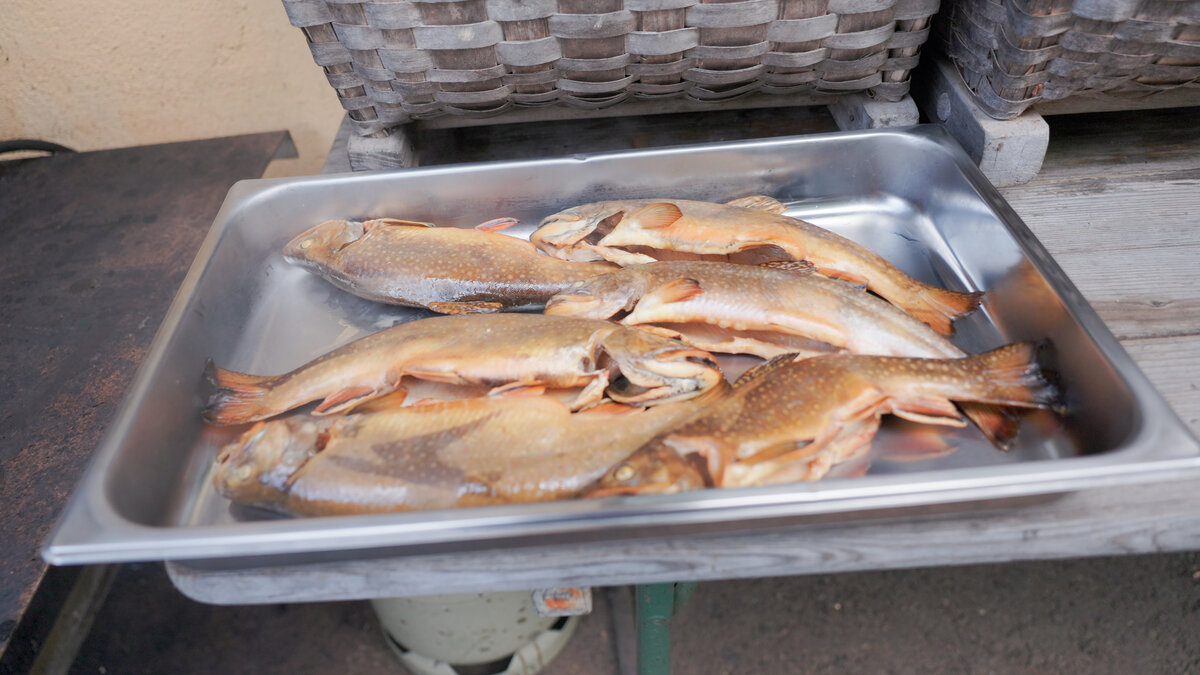
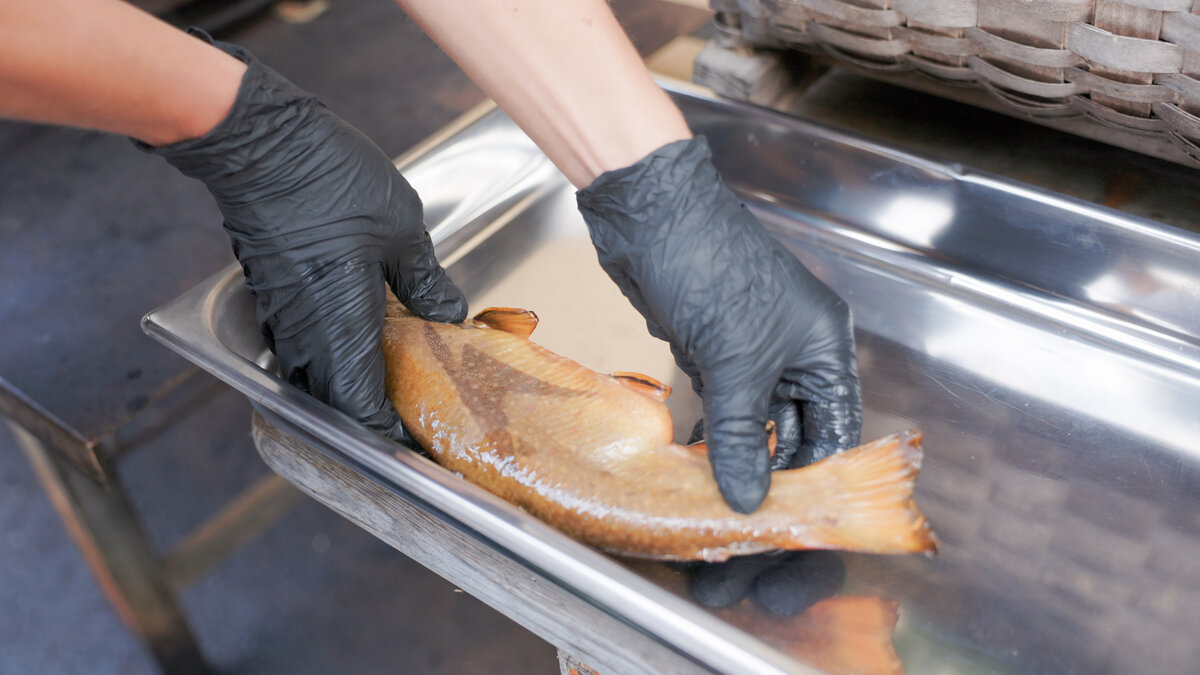
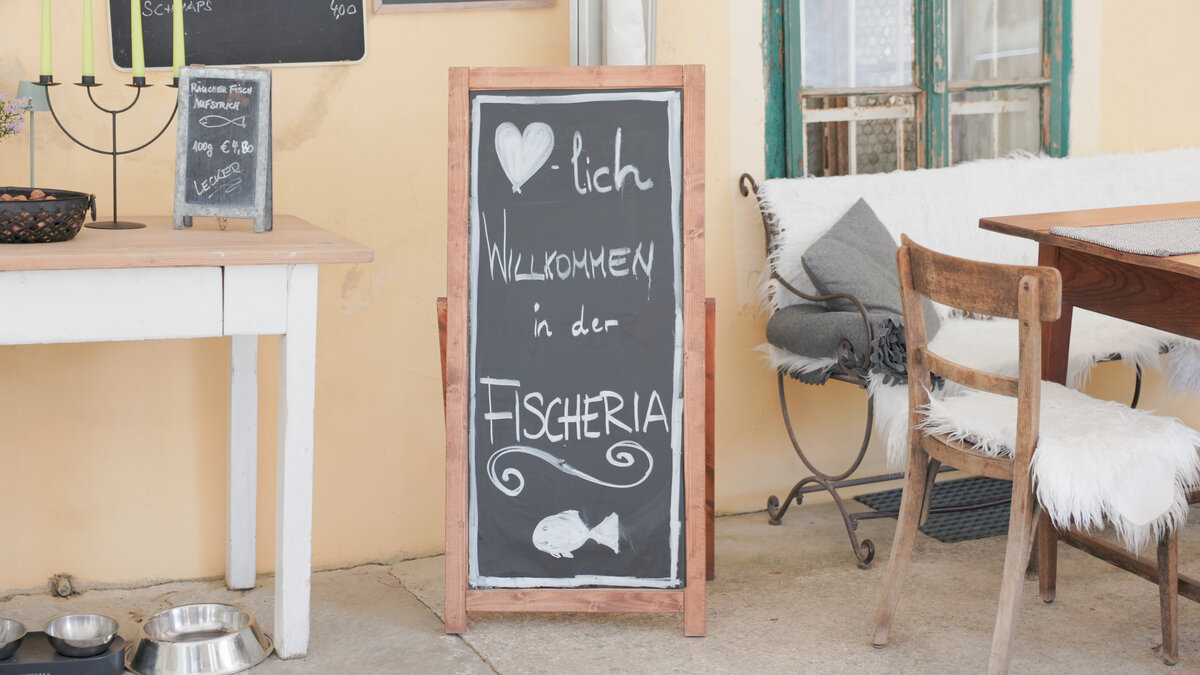
At "Fischeria," fresh fish are gently smoked and served with wood-fired oven bread, wine, organic juices, or organic apple cider. "We are a Slow Food establishment," says Andreas, proud of their sustainable approach to regional produce. The Rittlers introduce their guests to a mindful relationship with nature. Their operations run on a closed-loop system: fresh water comes from the farm’s own spring, while a hydroelectric plant—fed by the Lichtengrabenbach stream via the island pond—generates clean energy. Numerous beehives house industrious colonies that contribute significantly to the diversity of the blooming landscape. Meanwhile, the sheep serve as natural lawnmowers, grazing around the natural ponds and the century-old meadow orchards.
Astrid, the lady of the house, also delights guests with unique creations drawn from nature’s abundant garden. Her fish spread is just one of many homemade, original delicacies on offer. These products are also available to take home from the small farm shop.
New life within old walls
The agricultural and forestry estate spans approximately 200 hectares. The centerpiece of the property is the centuries-old castle. Recent findings indicate that the three-story castle was built as an extension to an existing structure dating from the 12th to the 14th century; a relief bears the date 1544.
Andreas Rittler took over the estate from his mother in the mid-1990s. "A house like this needs people to bring it to life," says the Styrian native. Within the building—which offers around 1,200 square meters of living space—there is always renovation or preservation work to be done. His wife, Astrid, contributes her creative vision to the careful revitalization of the Renaissance castle; notably, the castle’s *bel étage* has been transformed into a unique venue for weddings and other festive occasions.
Premium holiday home with a history
A "hideaway for romantics, nature lovers, couples, free spirits, and Slow Food enthusiasts"—that is how the estate’s own promotional message describes the latest jewel of Gut Schloss Lichtengraben: Chalet 1888.
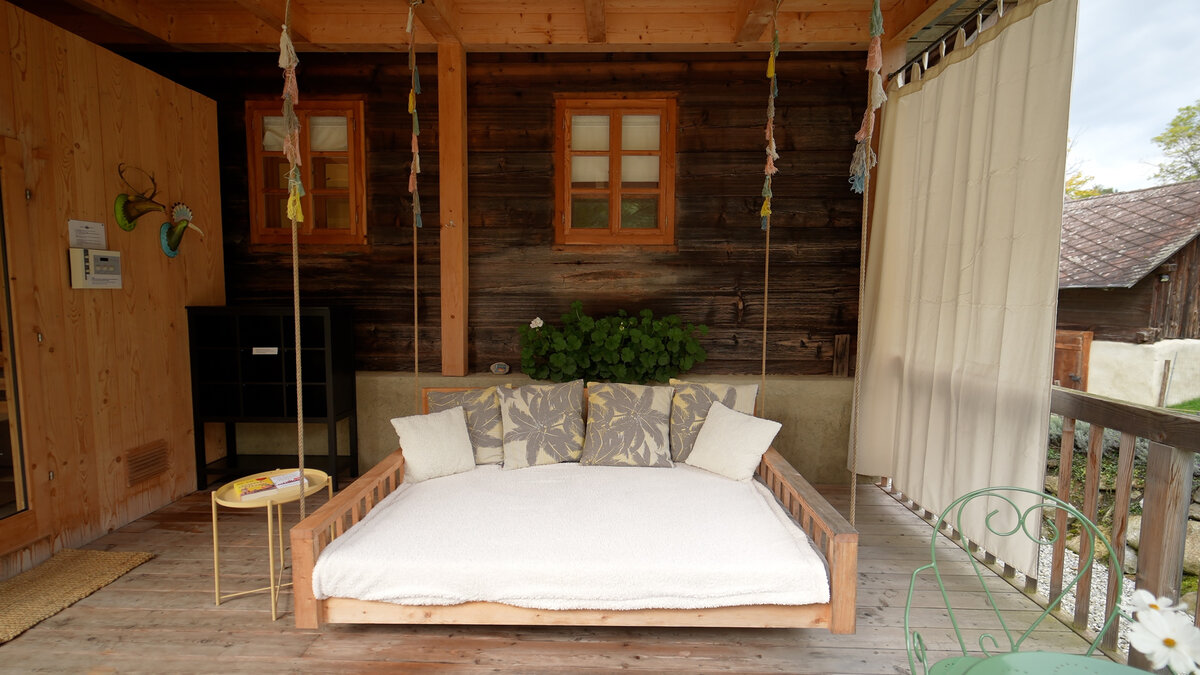
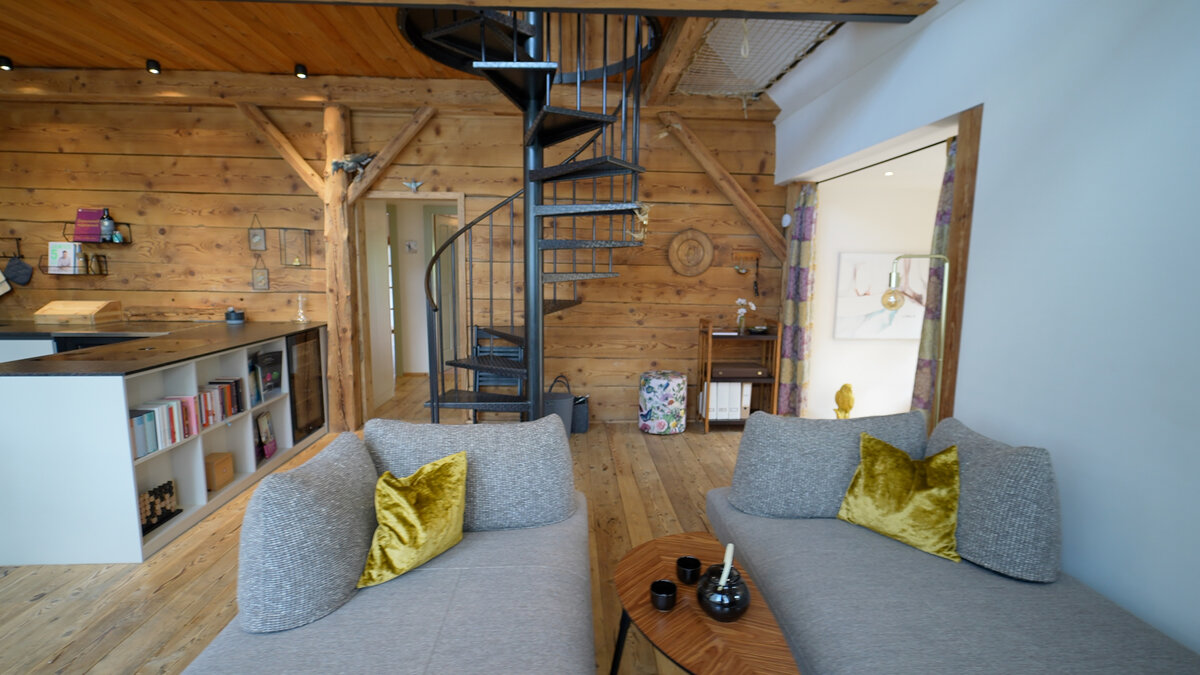
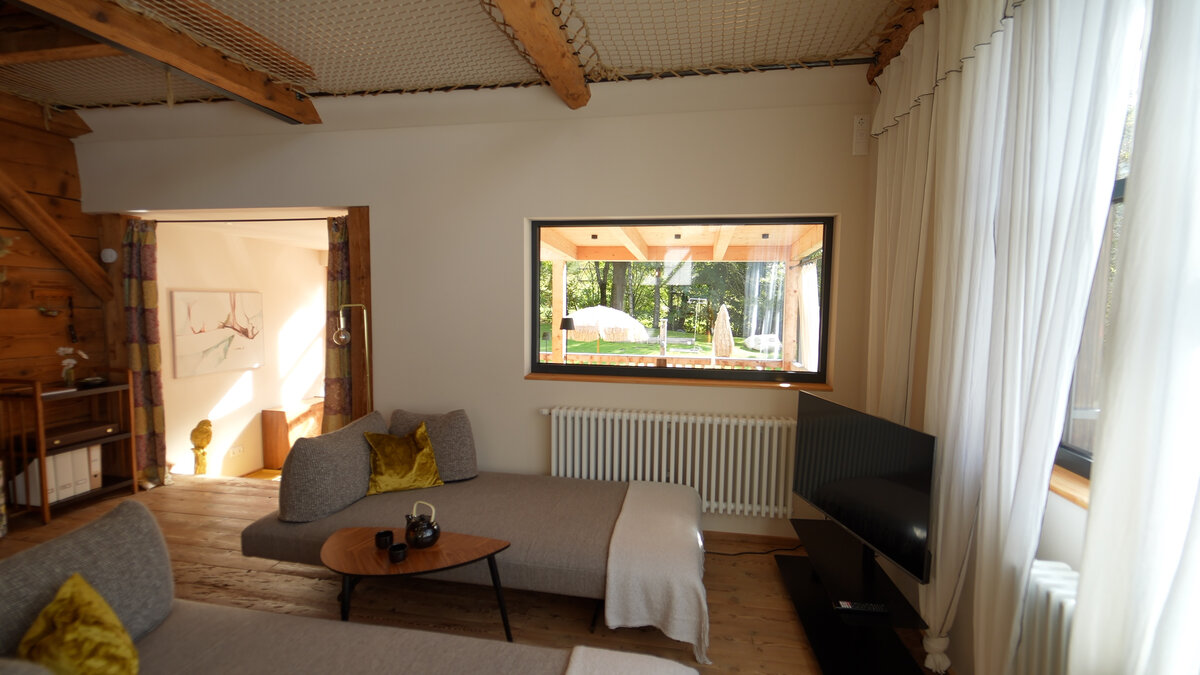
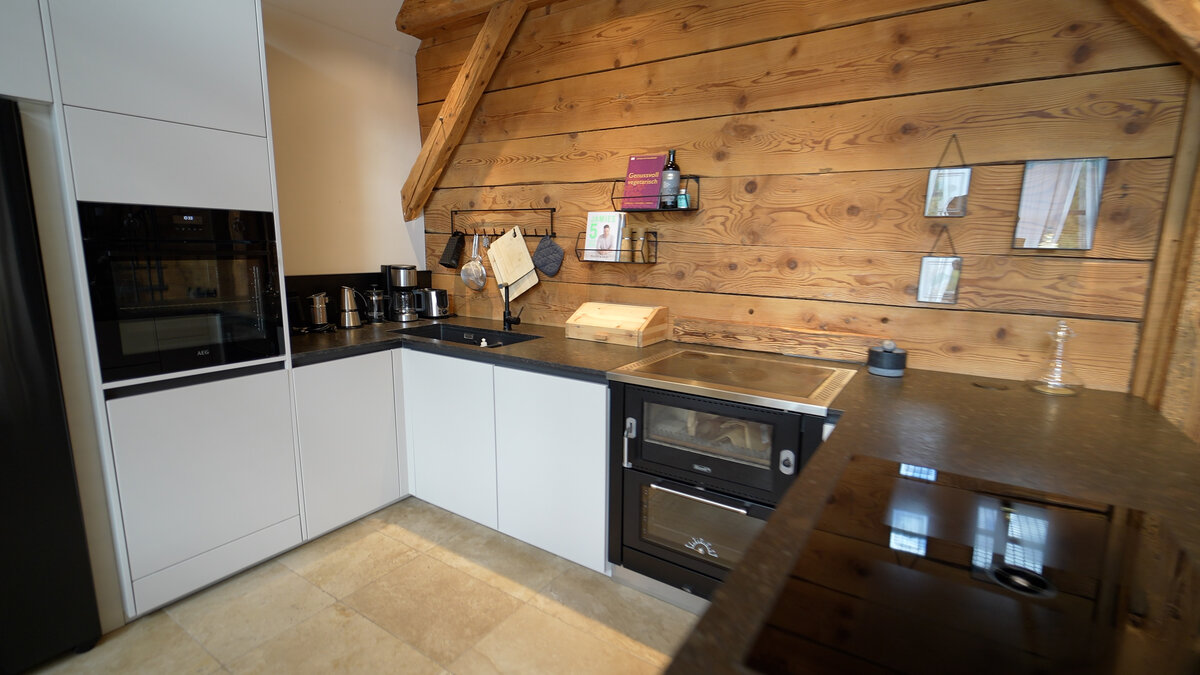
Faithfully restored to its original state, this timber house from the era of Emperor Franz Joseph—once the home of the game warden Sand—blends historic charm with modern living comforts and a sustainable lifestyle. Surrounded by natural ponds, meadows, and flocks of sheep, this premium eco-chalet accommodates up to four guests. A spacious living area featuring an open-plan, fully equipped modern kitchen, a mezzanine level with a loft net and skylight, two bedrooms with balconies, and two bathrooms ensures plenty of room to relax and unwind. Outside, a private, fenced garden spanning approximately 900 m² awaits. A terrace with an outdoor kitchen, a Swiss stone pine sauna, a cool plunge pool, a hot tub, a garden shower, and a hanging bed complete this private retreat.
Dogs are also warmly welcome: they can roam freely in the fenced chalet garden, and there is a private dog-friendly swimming area at the nearby "Island Pond." Walking and hiking trails through the estate’s meadows and forests start right on the doorstep.
Unplugged on the Alpine Pasture
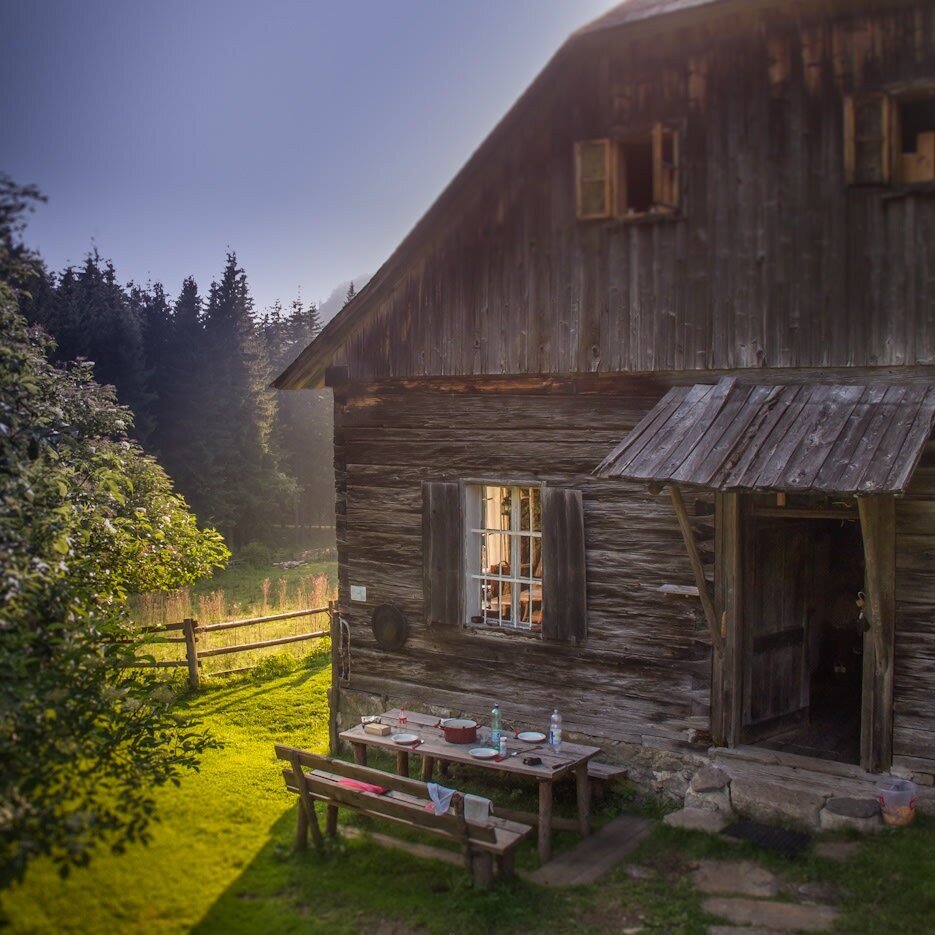
Anyone looking for an exceptional historic cabin in a truly secluded setting will find the rustic "Waldbauer" ideal. Situated at an altitude of 1,200 meters and surrounded by two hectares of alpine meadows and forest, the cabin offers an intentionally authentic way of life. With no electricity—but featuring tiled stoves, a wood-burning range, and a crackling fire—nature sets the rhythm here, stripped down to the essentials. It is a special retreat for personal time-outs, days spent with friends, or small groups and seminars. Luxury in its most primal form: time, tranquility, nature, and simplicity.



Michael Sabath
13 Article(s)


